THE CAPTAIN STAYS, AND TELLS US WHY
Three more years, signed on a wet Tuesday with no fanfare. We sat down with Mason Ashworth to talk loyalty, the rebuild, and the one season that nearly broke it.
The deal had been close for weeks, but the captain wanted it done quietly. “I didn’t want a circus. I wanted to sign, and then I wanted to train.”
The talks, by every account, were short. There was no agent theatre, no public flirtation with rival clubs, no carefully leaked interest to push the number up. “People kept asking who else was in for me. The honest answer is I never let it get that far. Once I knew the club wanted to keep building around this group, the rest was paperwork.”
It’s easy to forget how close this nearly didn’t happen. Two seasons ago, mid-table and drifting, the rumours pointed everywhere but Kingsmere Road. “There was a window where I thought about it. I’m human. But I kept coming back to the same thing – I want to be the one who finishes what we started.”
That season is the one Ashworth keeps returning to, unprompted. A bad run in the depths of winter, a string of narrow defeats, a dressing room that had started to doubt itself. “We lost six in a row and every one of them was by a single goal. You start to wonder whether you’re cursed or just not good enough. The staff held their nerve. That mattered more than any team talk.”
What changed, the captain argues, was less about tactics than about honesty. “We stopped pretending. We sat in a room and said the hard things to each other. Who wasn’t running. Who was hiding. It got uncomfortable. Then it got better.” The turnaround was slow at first, then became the spine of the run that has Kingsmere top of the Meridian League.
The finish, Ashworth insists, is still some way off. “Look at the squad sheet now against three years ago. We’re younger, we’re meaner, and we’re not done.”
Leadership, in his telling, has changed shape over a decade at the club. The armband used to mean being the loudest voice. Now it means knowing when to say nothing. “When I was twenty-three I thought captaincy was shouting. Now half my job is protecting the young ones from the noise – the phones, the message boards, the people who tell a teenager he’s finished after one bad game.”
Those younger players are part of the reason the new deal matters. Three academy graduates have broken into the side this season – Dylan Lennox, Reece Bradshaw and Mathis Rousseau, none of them older than nineteen – and the captain has taken each one aside, a deliberate echo of the senior pro who did the same for him. “Someone did this for me when I was nervous and raw. You don’t get to keep that for yourself. You pass it down, or it dies with you.”
Ask about silverware and the answer is careful, almost superstitious. There’s no bold promise, no guarantee pinned to a single season. “I won’t stand here and tell supporters we’ll win something. What I’ll tell them is that nobody in that room will be outworked. If we fall short, it won’t be for want of trying. That’s the deal I can actually keep.”
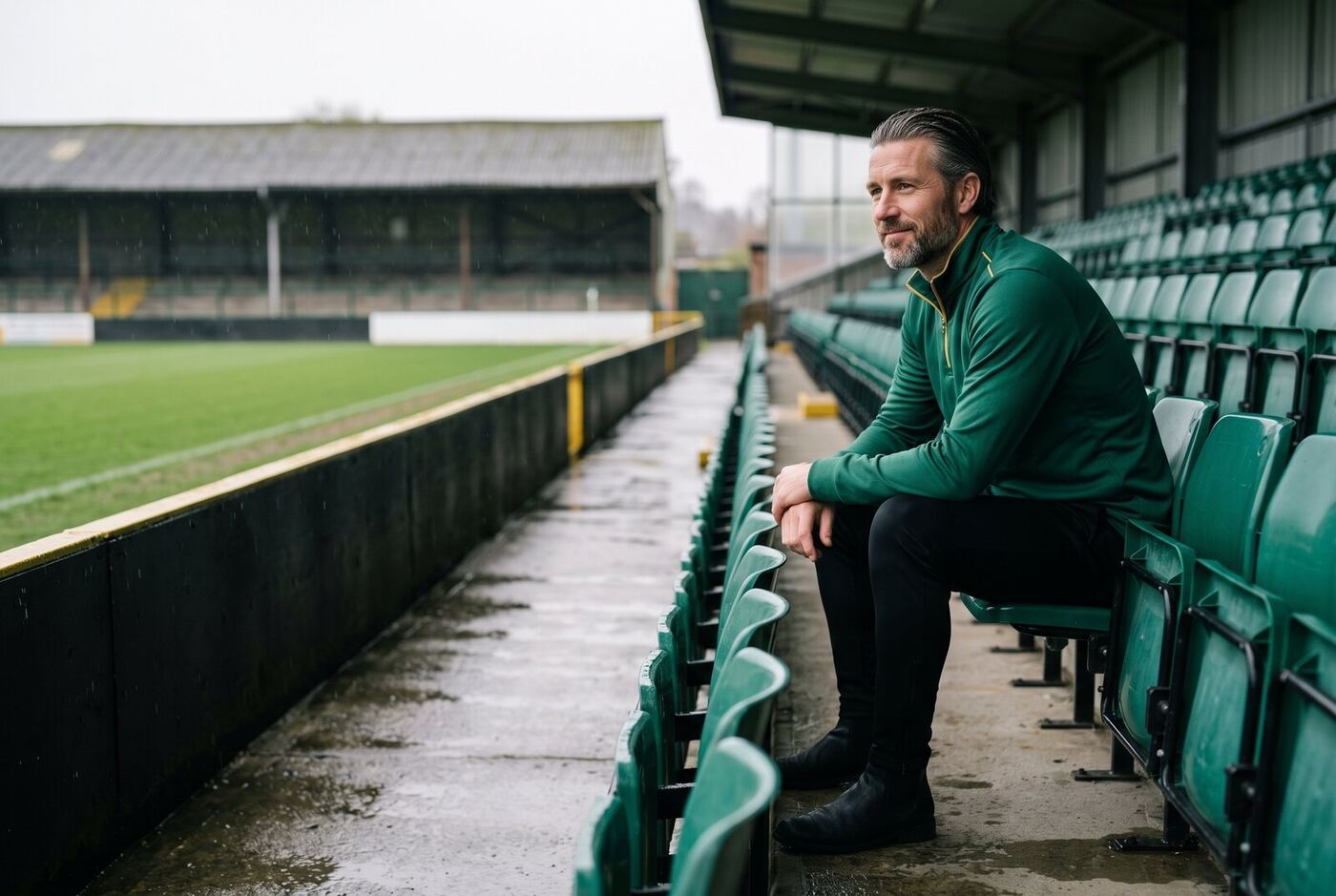
Outside, the rain hadn’t let up. Ashworth pulled a club coat over a contract still warm from the printer and headed back toward the training pitches, where a handful of supporters had waited by the fence for no reward beyond a wave. He gave them more than that. “That’s who you sign for,” he said over his shoulder. “Not the badge on the paper. The people who stand in the rain.”
Charlie Denby’s verdict, as ever, was shorter. “It’s a statement about where the club is going, not just where it’s been.”